



Why Dry Needling Dubai Is Effective for Muscle Pain and Recovery
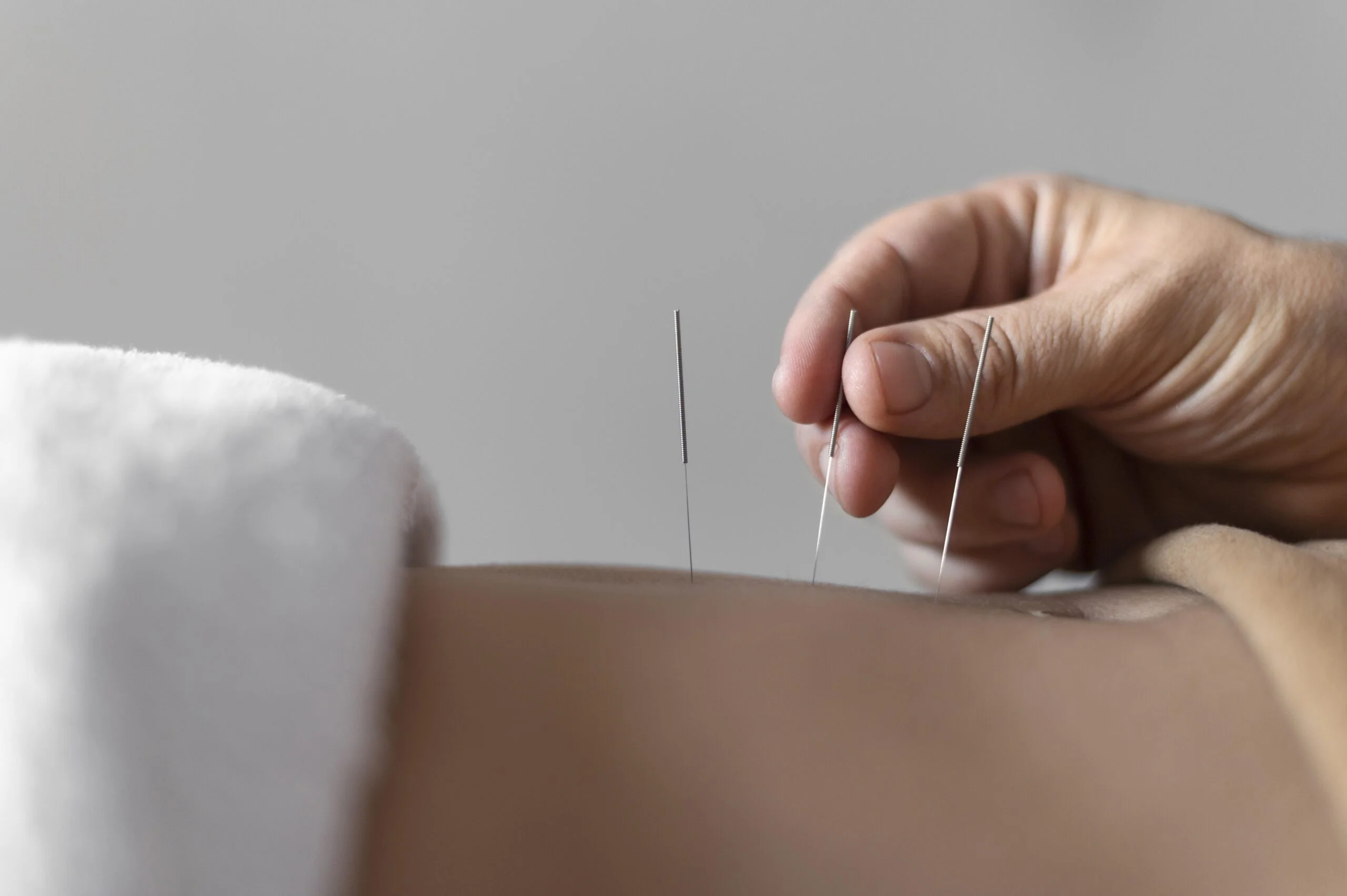
Almost every patient who is offered dry needling for the first time hesitates.
It’s an understandable reaction. The word “needling” alone is enough to trigger a mental image that has nothing to do with what actually happens in the treatment room — and everything to do with a general, culturally inherited wariness of needles that most people carry regardless of the clinical context.
But here is what tends to happen next, almost without exception: the patient tries it once, and the hesitation disappears. Not because the treatment was painless in some dramatic, surprising way, but because the actual experience — and the relief that follows — bears almost no resemblance to what they had imagined.
Dry needling Dubai through Yad Al Amal Home Healthcare Center has become one of the most requested techniques for stubborn muscle pain precisely because it works — reaching sources of pain that other treatments consistently miss. Understanding what it actually is, and clearing up the three misconceptions that hold most patients back, is the first step toward benefiting from it.
Misconception One: “Isn’t Dry Needling Just Acupuncture?”
This is the most common question asked before a first session, and it deserves a clear, direct answer: no — dry needling and acupuncture are fundamentally different practices, despite both using thin, solid filiform needles.
Acupuncture is rooted in Traditional Chinese Medicine, based on the concept of energy flow (qi) through meridians in the body, with needles placed at specific points along these meridians to restore balance.
Dry needling is a modern, evidence-based physiotherapy technique grounded entirely in Western musculoskeletal science. The needle is inserted directly into a myofascial trigger point — a taut, irritable band within a muscle that is causing localised or referred pain — with the specific goal of eliciting a local twitch response that releases the muscular tension at that exact site. The placement is determined by physical examination and palpation, identifying precisely which muscle and which point within that muscle is driving the patient’s pain, not by reference to an energy meridian map.
The tool is superficially similar. The clinical rationale, the training required, and the goal of treatment are entirely different. Dry needling is a physiotherapy intervention, delivered by a physiotherapist trained specifically in musculoskeletal anatomy and trigger point identification — not a complementary medicine practice.
Misconception Two: “It’s Going to Hurt”
This is the concern that keeps the most patients from trying dry needling in the first place — and it is, for almost everyone who eventually experiences the treatment, considerably overstated relative to reality.
The needles used in dry needling are extremely fine — far thinner than the needles used for injections or blood draws, which are hollow and designed to deliver or withdraw fluid. Dry needling needles are solid filaments, and most patients report minimal to no sensation on insertion through the skin.
What patients do typically feel, when the needle reaches an active trigger point, is a distinct and specific sensation — often described as a brief cramp, twitch, or deep ache localised to that exact spot. This is not incidental. It is the local twitch response — the physiological reaction the treatment is specifically designed to elicit, and it is a strong clinical indicator that the needle has found precisely the tissue causing the problem. Patients frequently describe this sensation as “a good hurt” — uncomfortable in the moment, immediately followed by a distinct release and reduction in the muscular tightness that brought them to treatment.
A skilled physiotherapist delivering dry needling Dubai communicates throughout the session, explaining what to expect, checking in on the sensation experienced, and adjusting technique based on the patient’s feedback. The goal is never to maximise discomfort — it is to find and release the specific trigger point as efficiently and comfortably as the clinical situation allows.
Misconception Three: “How Does Putting a Needle in a Muscle Actually Relieve Pain?”
This is the question that, once answered clearly, tends to resolve the other two hesitations as well — because understanding the mechanism makes the treatment feel less mysterious and more like exactly what it is: precise, targeted, physiological intervention.
A myofascial trigger point is a small area within a muscle where the muscle fibres have become locally contracted and metabolically distressed — essentially a tiny knot that has stopped functioning normally, restricting blood flow to that specific area and often referring pain to locations that seem, at first glance, unrelated to the actual source. A trigger point in the upper trapezius can produce headache pain. A trigger point in the gluteal muscles can produce pain that feels like it’s coming from the hip or even down the leg. This is referred pain — and it is one of the reasons chronic muscle pain is so frequently misdiagnosed or inadequately treated with approaches that target the felt location of pain rather than its actual source.
When the dry needling needle is inserted directly into an active trigger point, it produces the local twitch response — an involuntary contraction and release of the affected muscle fibres. This mechanically disrupts the dysfunctional contraction, improves local blood flow to the area, and triggers a cascade of physiological responses that reduce the biochemical irritants that have accumulated in the trigger point. The muscle, quite literally, resets.
For pain that has persisted despite stretching, general exercise, and other treatments — because those approaches don’t reach the specific, localised dysfunction of an active trigger point — dry needling frequently succeeds precisely because it addresses the actual physiological source rather than the broader area of discomfort.
The Conditions Where Dry Needling Makes the Greatest Difference
Chronic Back Pain With Trigger Point Involvement
A significant proportion of chronic lower back pain involves active trigger points in the paraspinal muscles, quadratus lumborum, and gluteal muscles — areas that general stretching and strengthening exercises often fail to fully address because the trigger point itself requires direct mechanical disruption to release.
Back pain physiotherapy Dubai that incorporates dry needling alongside manual therapy and targeted exercise consistently produces better outcomes for chronic back pain patients than exercise-based approaches alone, particularly for pain that has persisted for months without full resolution through other treatment.
Headaches and Migraines Originating From Muscular Tension
Tension-type headaches and cervicogenic headaches — headaches originating from the neck — are frequently driven by trigger points in the upper trapezius, suboccipital muscles, and sternocleidomastoid. Patients who have tried headache medication without addressing the underlying muscular source often find that dry needling, targeting these specific trigger points, produces relief that medication alone never achieved.
Sports Injuries and Muscular Overuse
Athletes and active individuals frequently develop trigger points as a consequence of repetitive movement patterns, muscular overuse, and the compensatory tension that develops around an injury site. Dry needling, combined with manual therapy Dubai and progressive rehabilitation exercise, addresses both the immediate trigger point pain and the broader tissue dysfunction that sports injuries create.
Shoulder and Neck Tension From Desk-Based Work
The postural pattern of prolonged desk work — forward head posture, rounded shoulders, sustained upper trapezius tension — reliably produces trigger points in a predictable pattern across the shoulders and neck. For patients whose chronic neck and shoulder tightness has resisted stretching and general massage, dry needling targeting these specific, predictable trigger points frequently provides the release that broader approaches could not achieve.
How Dry Needling Fits Into a Complete Treatment Plan
Dry needling at Yad Al Amal is never delivered as a standalone treatment disconnected from the broader clinical picture. It is one component — often a highly effective one — within a comprehensive treatment plan that typically also includes myofascial release Dubai techniques to address the broader fascial restriction surrounding the trigger point, manual therapy to restore joint and soft tissue mobility, and targeted exercise to retrain the movement patterns that allowed the trigger point to develop in the first place.
This combination matters clinically. A trigger point released through dry needling can redevelop if the underlying movement pattern, postural habit, or muscular imbalance that created it in the first place is not also addressed. Yad Al Amal’s physiotherapists build dry needling into a complete plan — releasing the immediate dysfunction and addressing the cause, so the relief achieved has the best possible chance of lasting.
The Questions Patients Ask Most Before Trying Dry Needling
Is dry needling safe?
Yes — when performed by a trained, DHA-licensed physiotherapist using sterile, single-use needles and appropriate clinical technique. Dry needling has a strong safety profile when delivered by a qualified practitioner. Minor bruising or soreness at the treatment site can occur, typically resolving within a day or two. Yad Al Amal’s physiotherapists conduct a thorough assessment before every session to confirm dry needling is appropriate for the patient’s specific presentation and health history.
How many dry needling sessions are needed to see results?
Many patients report a noticeable reduction in muscle tension and pain after their very first session, particularly when the trigger point is clearly identified and directly targeted. For chronic or long-standing trigger point patterns, three to six sessions combined with complementary manual therapy and exercise typically achieve substantial, lasting relief. Your Yad Al Amal physiotherapist will assess your specific presentation and provide a realistic treatment timeline at your initial session.
Can dry needling be combined with other physiotherapy treatments in the same visit?
Yes — and this is typically how it is delivered at Yad Al Amal. A session may combine dry needling to address specific trigger points, manual therapy and myofascial release to restore broader tissue mobility, and targeted exercise to reinforce the improvement and prevent recurrence. This integrated approach, rather than dry needling delivered in isolation, is what produces the most complete and lasting results for dry needling Dubai patients.
The Precision That Makes the Difference
Chronic muscle pain rarely responds to broad, general treatment. It responds to precision — finding the exact point of dysfunction and addressing it directly, rather than treating the general area where the pain is felt.
Dry needling is that precision, applied by physiotherapists who have trained specifically in identifying and releasing myofascial trigger points. Yad Al Amal Home Healthcare Center delivers dry needling Dubai at home, as part of a complete treatment plan that combines manual therapy, myofascial release, and targeted rehabilitation exercise. DHA-licensed physiotherapists. Sterile, single-use technique. Full coverage across all areas of Dubai. Arabic, English, and Hindi/Urdu spoken. Sessions bookable within 24 to 48 hours.
The hesitation before the first session is completely normal. What comes after it, for most patients, is relief they didn’t expect a small needle to provide.
Contact Yad Al Amal Home Healthcare Center today to book a dry needling assessment at home.
Yad Al Amal Home Healthcare Center — Premium Home Healthcare, Delivered to Your Door.